
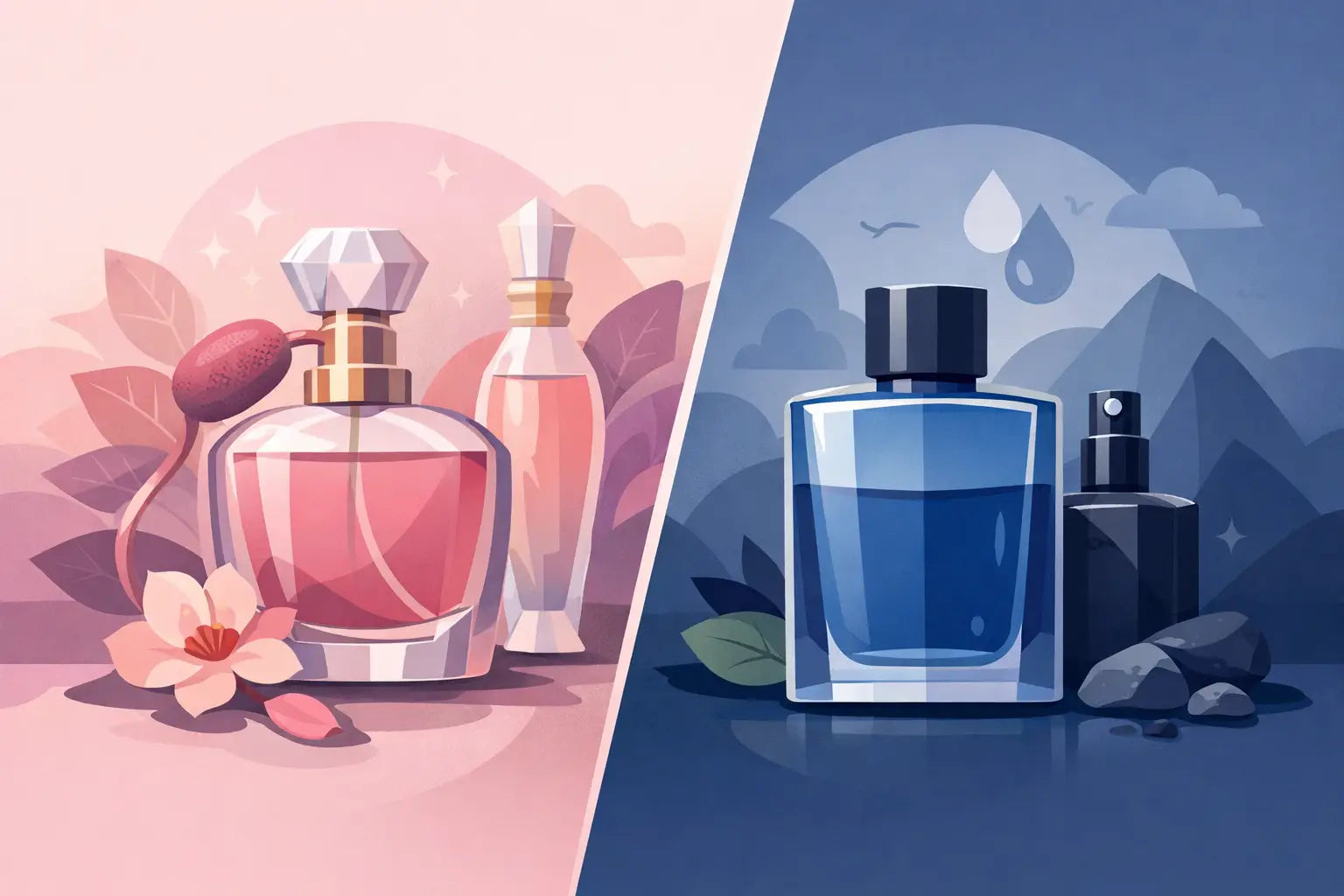
A fragrance can look perfect on the shelf, sound irresistible in the description, and still feel different once it meets your skin. That is why understanding perfume vs cologne differences matters. It is not just about whether a scent feels feminine or masculine. The real distinction often comes down to concentration, wear time, projection, and the kind of experience you want your fragrance to create.
For some shoppers, perfume feels like the polished finishing touch for evenings, events, and signature dressing. Cologne often feels lighter, fresher, and easier for everyday wear. But those impressions only tell part of the story. If you have ever wondered why one bottle lingers on a sweater for hours while another fades by lunch, the answer usually starts with fragrance concentration.
Perfume vs Cologne Differences at a Glance
The simplest way to understand perfume vs cologne differences is to think about strength. Perfume usually contains a higher concentration of fragrance oils than cologne. That higher concentration often gives it a richer scent trail, longer wear, and a more layered dry down.
Cologne is typically lighter in concentration. It tends to open with brightness and freshness, making it especially popular for daytime, warm weather, post-shower wear, and anyone who prefers a scent that stays closer to the skin after the first burst.
That said, fragrance labels can be confusing because modern marketing does not always follow old textbook definitions. Some brands use the word cologne to signal a style or mood rather than a strict concentration level. Others position perfume as a luxurious expression with more depth and intensity. The label gives you a clue, but the formula and how it wears on your skin still matter most.
What perfume usually means
When most shoppers say perfume, they are referring to a more concentrated fragrance format. You may also see terms like parfum or eau de parfum. These versions are often fuller, smoother, and designed to last longer than lighter scent types.
Perfume tends to unfold in stages. The opening notes catch attention first, then the heart notes create character, and finally the base settles into the skin. With a stronger concentration, those stages often feel more noticeable. Florals can feel creamier, woods can feel warmer, and amber or musk can leave a more elegant finish.
This is one reason perfume is often chosen for date nights, formal settings, cooler seasons, or anyone building a signature scent wardrobe. It can feel refined and expressive, especially if you enjoy a fragrance that stays with you from late afternoon into the evening.
What cologne usually means
Cologne is generally lighter and more casual in feel. Traditionally, eau de cologne has a lower oil concentration, which often translates to a fresher opening and shorter wear time. Citrus, aromatic herbs, watery notes, and clean woods are common in this category.
That lighter profile is part of the appeal. Cologne can feel crisp, effortless, and easy to reapply. It suits daily routines, office settings, gym bags, weekend wear, and moments when you want to smell polished without creating a strong scent cloud.
For many men, the word cologne has also become a general term for fragrance in general, even when the bottle is technically an eau de toilette or eau de parfum. So when shopping, it helps to look past the casual label and check the concentration or product description if longevity matters to you.
Concentration changes everything
If you want the most practical explanation, concentration is the detail that affects wear the most. Fragrance oil is blended with alcohol and sometimes water. The higher the percentage of aromatic oils, the stronger and usually longer-lasting the scent becomes.
Perfume formats often sit higher on that concentration scale. Cologne sits lower. That does not automatically make perfume better. It simply makes it different. A soft citrus cologne can be the ideal choice for a bright summer morning, while a dense perfume may feel too heavy in the same setting.
This is where personal style comes in. Some people want their scent to enter the room gently and stay intimate. Others want a fragrance that leaves a velvety impression on scarves, jackets, and evening air. Neither preference is wrong. The best choice depends on mood, setting, and how you like your fragrance to speak.
Longevity and projection
One of the biggest perfume vs cologne differences is how long each one tends to last. Perfume usually has stronger staying power, often lasting well into the day and sometimes beyond. Cologne may fade faster, especially if it leans citrus, marine, or green.
Projection matters too. That is the distance your scent travels from the skin. Perfume can project more in the first few hours, then soften into a lingering base. Cologne often opens brightly, projects briefly, and settles faster.
Still, skin chemistry changes the story. Dry skin can cause any fragrance to disappear more quickly. Heat can amplify projection. Fabric can hold scent longer than skin. So while concentration gives you a general expectation, real-life performance depends on how and where you wear it.
Scent style is not strictly gendered
A lot of people assume perfume is for women and cologne is for men. That idea is familiar, but it is far too limited for modern fragrance. Today, scent is more expressive, more fluid, and much more personal.
A perfume can be airy, clean, and understated. A cologne can be woody, sensual, and dramatic. Unisex fragrance has made this even clearer. The better question is not whether a bottle is labeled for men or women. It is whether the notes match your mood, your taste, and the version of yourself you want to wear that day.
If you love rose wrapped in amber, fresh bergamot over cedar, or smoky vanilla with spice, the label matters less than the feeling. Fragrance is one of the most intimate forms of style. It should feel like you.
How to choose between perfume and cologne
If you are deciding what to buy, start with the occasion. Perfume is often the stronger choice for evenings, special events, cooler weather, and moments when you want more presence. Cologne suits daytime, casual routines, warm climates, and anyone who prefers a lighter touch.
Then think about maintenance. If you do not mind reapplying during the day, a cologne can feel wonderfully fresh and flexible. If you want fewer touch-ups, perfume may be worth the higher concentration and often higher price.
Budget can shape the decision too. Perfume usually costs more because it contains more fragrance oil. But value is not just about price per bottle. If you only need a few sprays and the scent lasts for hours, a perfume may stretch surprisingly well. If you enjoy switching scents often and spraying generously, cologne may fit your routine better.
Shopping smarter when labels overlap
Modern fragrance shelves can blur the lines. You may see parfum, perfume, eau de parfum, eau de toilette, and cologne used side by side. Instead of focusing only on the front label, read the scent family and concentration details when available.
Look at the notes too. Bright lemon, neroli, aquatic accords, and aromatic herbs often suggest a lighter, brisker experience. Vanilla, oud, patchouli, resins, and deep florals often hint at more richness and longer wear. Of course, there are exceptions, which is part of the charm.
At SG SHOPE, fragrance is not just a category. It is a way to choose a mood, refine your presence, and give everyday moments a little more elegance. Whether you lean fresh and clean or rich and unforgettable, the right bottle should feel less like a rule and more like recognition.
Which one is right for you?
Choose perfume if you want depth, longer wear, and a more noticeable signature. Choose cologne if you want freshness, ease, and a scent that feels light on its feet. If your collection has room for both, that is often the most stylish answer.
Some days call for sparkling citrus and soft woods. Other days deserve velvet florals, warm spice, or a sensual amber trail that stays close long after sunset. The beauty is not in picking a side forever. It is in knowing what each fragrance format offers, then wearing the one that matches your mood with confidence.