
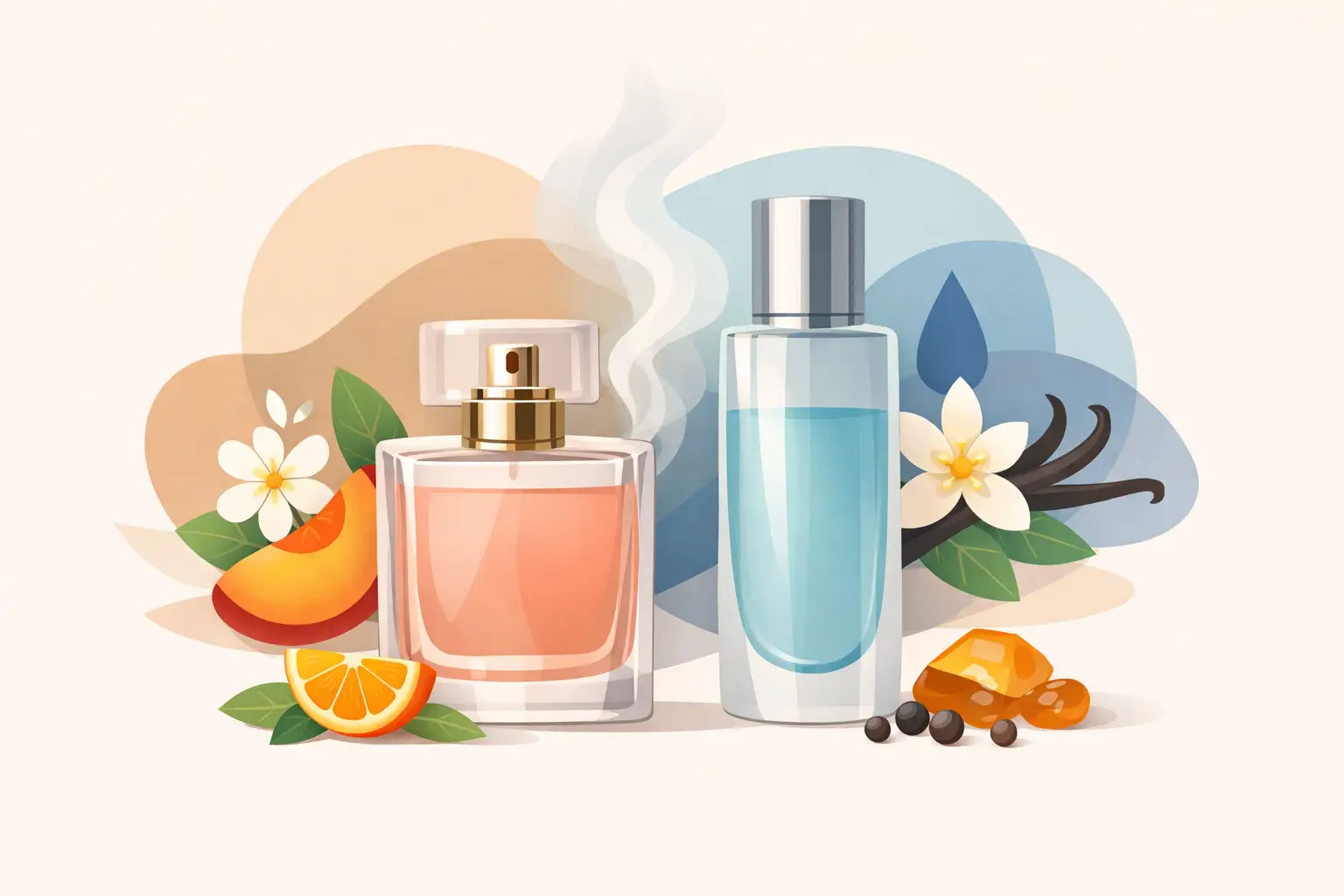
Some perfumes feel beautiful on a blotter and strangely flat on skin. Others start strong, then disappear before lunch. That is usually the moment people start asking how to layer fragrances properly - not to make a scent louder, but to make it feel more personal, polished, and lasting.
Fragrance layering is less about mixing random favorites and more about shaping an atmosphere around you. Done well, it creates dimension: a soft floral becomes creamier, a fresh citrus gains warmth, a woody scent feels cleaner and more refined. Done poorly, it can smell crowded or confusing. The difference comes down to balance, order, and understanding what each fragrance is bringing to the skin.
What fragrance layering really means
Layering can happen in a few ways. You might use a scented body wash, then a matching lotion, then a perfume on top. You might pair two fragrances with different personalities, like a bright fruit-forward scent with a musky or vanilla base. Or you might add a delicate body mist during the day to soften a richer evening fragrance.
The goal is not to wear as many scents as possible. The goal is to create one finished impression. Think of it like styling an outfit: every piece should add something, but nothing should compete for all the attention.
For most people, the easiest path is layering within the same scent family first. Florals with florals, woods with woods, ambers with warm gourmands, or clean citrus with airy musks tend to blend more naturally. Once you understand how those combinations behave, you can get more creative.
How to layer fragrances properly on skin
If you want to know how to layer fragrances properly, start with the products closest to the skin. The richest or most emollient layer usually goes on first because moisturized skin helps scent cling better.
Start with hydrated skin
Dry skin tends to let fragrance evaporate faster. An unscented moisturizer is the safest first step if you are pairing different perfumes, because it gives you longevity without introducing another competing note. If you are using a scented lotion, choose one that supports the perfume rather than pulling it in a different direction.
Vanilla, musk, sandalwood, rose, and soft amber lotions are especially useful because they act almost like a smooth background. They round out the sharper edges of citrus, fruit, and green notes without taking over.
Apply the softer scent first
When layering two fragrances, begin with the lighter or simpler one. This usually means the fresher, cleaner, or more linear scent goes on first. The richer fragrance follows in smaller amounts.
There is a practical reason for this. Heavy orientals, dense gourmands, and dark woody perfumes can easily dominate. If you spray them first and then try to brighten them with something delicate, the lighter scent often disappears. But when the fresh layer goes down first, it can lift the composition before the deeper notes settle in.
Keep your spray placement intentional
You do not need to stack both fragrances on every pulse point. That is one of the fastest ways to create too much projection. Instead, place the base fragrance on the chest or wrists, then add the second scent lightly on the neck or clothing if the fabric allows it.
This gives the scents room to unfold rather than colliding all at once. It also helps you notice which fragrance leads and which one lingers in the background.
The best note combinations for elegant layering
Layering gets easier when you think in notes instead of brand names. Certain pairings almost always feel harmonious because they fill in what the other scent lacks.
Citrus with woods or musk
Fresh citrus perfumes are clean, bright, and easy to wear, but they can fade quickly. Pairing them with cedar, sandalwood, or soft musk gives them staying power and a more expensive feel. The result is crisp at first, then smooth and skin-like later on.
Rose with vanilla or amber
Rose can lean romantic, powdery, fresh, or dramatic depending on the formula. A touch of vanilla makes it softer and more inviting. Amber gives it warmth and evening elegance. This combination works especially well when you want a feminine scent that still feels modern rather than overly sweet.
White florals with clean musk
Jasmine, tuberose, and orange blossom can be glamorous, but they may feel intense on some people. Clean musk tones them down and makes the whole blend feel airy. It is a smart way to wear florals in daytime without losing that polished, dressed-up effect.
Fruity scents with creamy bases
Pear, berries, peach, and tropical fruits often feel playful and energetic. Pairing them with vanilla, tonka, or cashmere woods creates a smoother finish. This keeps the fragrance from smelling too sugary and gives it more depth.
Combinations that need more caution
Not every perfume wants a partner. Some fragrances are already complex, with strong top, middle, and base note transitions. Layering another full-bodied scent on top can blur their character.
Two bold gourmands can become heavy very quickly, especially in warm weather. Strong aquatic scents layered with spicy or smoky fragrances can feel disconnected. Sharp green notes with dense vanilla can work, but the ratio matters. In these cases, one spray of the stronger fragrance may be enough.
This is where restraint becomes part of the technique. Luxury in fragrance often feels edited. A layered scent should feel intriguing, not overworked.
How to test a layered scent before wearing it out
Trying a combination once in the air is not enough. Fragrance changes over time, and your skin chemistry matters.
Spray the first fragrance and wait about 30 seconds before applying the second. Then give the pair at least 20 to 30 minutes before deciding whether it works. The opening may smell promising, but the dry-down is what people around you will notice most.
It also helps to test on a day when you are not wearing strongly scented hair products or body care. Those hidden layers can change the result more than people realize.
If a blend smells muddy, too sweet, or too sharp, do not assume both perfumes are wrong. Often the issue is simply proportion. Try two sprays of one and one spray of the other, or move one scent to clothing and keep the other on skin.
Layering for different moods and occasions
A beautiful layered fragrance should match the setting as much as your taste.
For daytime, fresh combinations usually feel the most effortless. Citrus over musk, soft floral over clean woods, or fruit over sheer vanilla gives a polished effect that works for the office, brunch, errands, or casual dates.
For evening, richer contrasts tend to shine. Rose over amber, jasmine over sandalwood, or spice over vanilla feels more sensual and expressive. These combinations leave a memorable trail without needing excessive sprays.
Season matters too. In summer, airy layering is usually better than heavy sweetness. In colder months, creamy, woody, and resinous notes tend to wear beautifully because the air allows them to unfold more slowly.
A simple rule for beginners
If you are new to fragrance layering, use the 70-30 rule. Let one fragrance do most of the talking, and let the second add texture. That keeps the result intentional.
A clean musk can make a floral perfume feel freshly showered. A warm vanilla can make a citrus fragrance feel softer and more intimate. A woody base can give a bright everyday scent a little evening sophistication. You do not need a dramatic contrast to create a signature.
This is often where shoppers build a wardrobe rather than chasing one perfect bottle. A few well-chosen scents can be worn in multiple ways, depending on mood, season, and occasion. That is part of what makes fragrance feel luxurious - it becomes expressive, not just decorative.
How to layer fragrances properly without wasting product
The easiest mistake is over-spraying while experimenting. Fragrance layering should not double the amount you normally wear. It should refine the effect.
Start with fewer sprays than you think you need. One or two of the first fragrance and one of the second is often enough. If both are eau de parfum or naturally powerful, even less can work beautifully. You can always add more next time, but you cannot edit once it is on your skin.
It is also smart to keep a few versatile anchors in your collection. Musk, vanilla, sandalwood, soft rose, and amber tend to play well with many scent profiles. They give you flexibility without making every combination feel experimental.
For anyone building a fragrance wardrobe, this approach makes shopping feel more thoughtful. A scent does not have to stand alone to deserve a place on your vanity. Sometimes the most captivating wear comes from pairing a fresh favorite with something warmer, creamier, or more sensual. At SG SHOPE, that idea fits naturally with the way fragrance becomes part of personal style - elegant, expressive, and entirely your own.
The best layered fragrance is the one that still smells like you, only a little more unforgettable.